
I still remember the day it hit me properly.
I was tying my shoelaces, getting ready for a normal walk, and I actually had to pause halfway because my lower back just… didn’t cooperate the way it used to. Nothing dramatic. No injury. Just that slow realization that my body wasn’t bouncing back like it did in my 20s or even 30s.
And honestly, that moment changes how you think about fitness after 50.
Not in a scary way. More like a quiet reminder: “If I don’t take care of this now, it’s only going to get harder later.”
That’s where my journey started – trying to get fit again, but this time without ego, without extremes, and definitely without those crash fitness routines that leave you sore for a week and then quitting everything.
What I learned along the way is simple: getting fit after 50 is not about pushing harder. It’s about moving smarter.
If you’re just starting, this beginner fitness guide after 50 can help set a foundation.
The first mistake I made (and most people still make)
When I started, I did what a lot of people do I tried to jump straight into intense workouts.
I remember thinking, “If I just do 30 pushups a day and start jogging, I’ll be back in shape in no time.”
Two days later, my knees were angry, my shoulders felt stiff, and I was more tired than motivated.
That’s when I realized something important: after 50, your body doesn’t respond to punishment. It responds to consistency.
Many people fix this later with a proper
Most beginners make the same mistake:
- Doing too much too soon
- Copying 20-year-old workout routines
- Ignoring recovery time
- Thinking soreness = progress
What actually worked for me (simple and realistic)
Instead of chasing intensity, I started focusing on three things:
1. Daily movement (not “workouts”)
Even on lazy days:
- A 20–30 minute walk
- Light stretching in the morning
- Standing and moving every hour
You can combine this with simple chair exercises for seniors for better results.
2. Strength training without fear
I started small:
- Bodyweight squats
- Wall pushups
- Light dumbbells (2–5 kg range)
- Resistance bands
3. Recovery became part of the routine
- Good sleep
- Gentle stretching
- Hydration
- Rest days
Recovery is often included in programs.
A simple beginner routine (that actually works)
This is similar to a structured
Week plan:
- Day 1: Walk + stretch
- Day 2: Strength
- Day 3: Walk
- Day 4: Strength + balance
- Day 5: Easy walk
- Day 6: Light activity
- Day 7: Rest
Basic strength routine:
- Chair squats
- Wall pushups
- Standing calf raises
- Light dumbbell curls
The tools that actually helped me stay consistent
These tools are often recommended in
- Step tracking apps
- Resistance bands
- Light dumbbells
- YouTube workouts
- Water reminders
What nobody tells you about fitness after 50
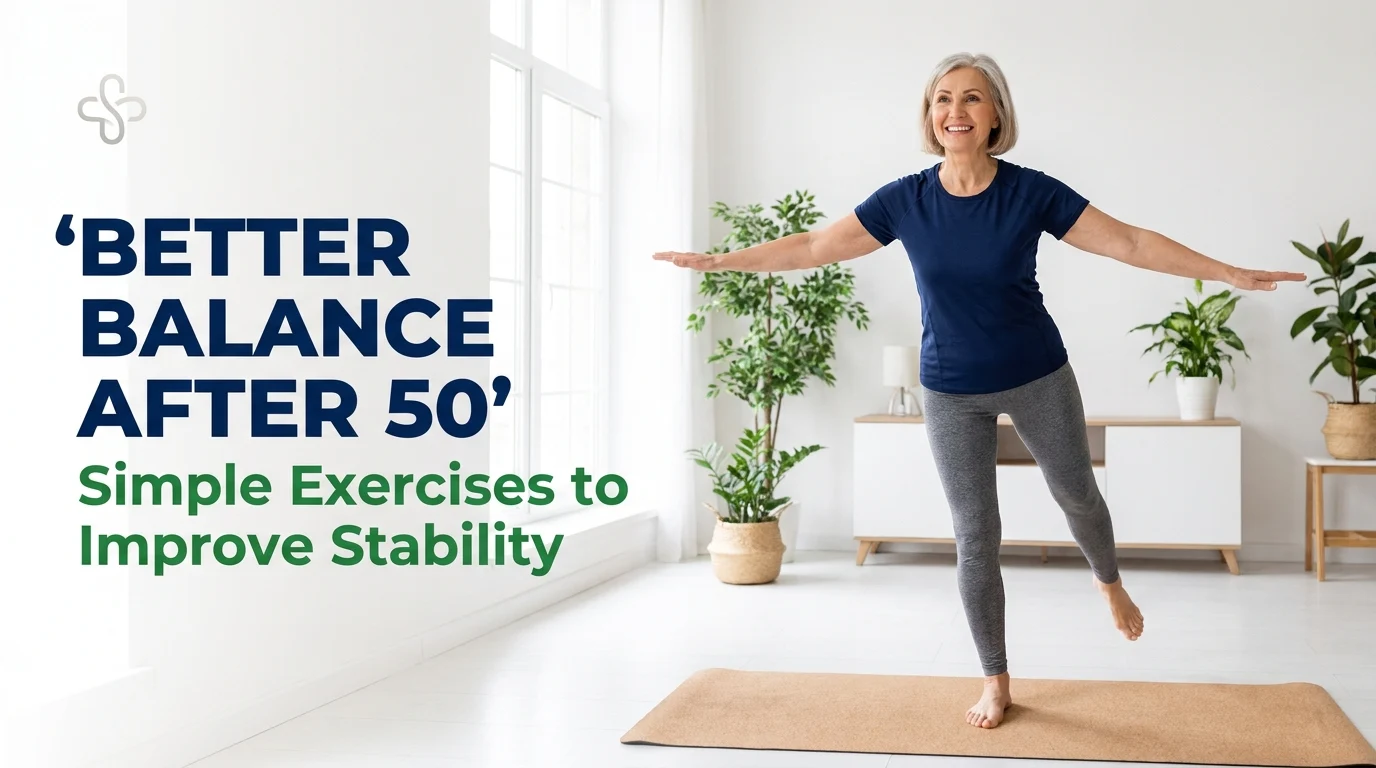
Many of these concepts come from balance exercises after 50
- Progress is slow but stable
- Energy improves before strength
- Pain ≠ always stop
- Motivation is unreliable
Common mistakes
Related guide:
- Overdoing cardio
- Ignoring balance
- Copying young routines
- Quitting early
Final thoughts
Full resource hub: More guide here
Start small. Walk more. Move daily. Add strength slowly. Rest properly.
Consistency beats intensity every single time.