

By admin / May 30, 2026
A few years ago, I watched a friend in his mid 50s struggle to get up from the floor after playing with his grandchildren. He wasn’t injured. He wasn’t sick. He had simply become less active over time without realizing how much strength and mobility he had lost.
That moment stuck with me because it’s something many adults experience. Life gets busy, work takes priority, and exercise slowly moves to the bottom of the list. Then one day, simple activities like climbing stairs, carrying groceries, or getting out of a chair feel harder than they used to.
The good news is that getting fit after 50 is absolutely possible. In many cases, it doesn’t require expensive gym memberships, intense workouts, or spending hours exercising every day.
What it does require is a smart, consistent approach.If you’re starting from scratch or returning to exercise after years away, this guide will help you build fitness safely and confidently.
You can also explore a simple beginner fitness guide for step-by-step starting support.
Why Fitness Matters More After 50
Many people assume slowing down is simply part of aging.
While some changes naturally occur with age, becoming inactive often plays a much bigger role than people realize.
Regular exercise can help:
Maintain muscle strength
Improve balance and stability
Support healthy joints
Increase energy levels
Improve flexibility and mobility
Help manage body weight
Support heart health
Maintain independence
For balance improvement, these balance exercises for adults over 50 can be very helpful.
Start With the Right Mindset
One of the biggest mistakes beginners make is trying to exercise like they did in their 20s or 30s.I’ve seen people buy expensive workout equipment, follow advanced fitness programs, and push themselves too hard during the first week.
The result?
Soreness, frustration, and eventually quitting.
Instead, think long-term.A simple routine you can follow consistently is far better than an aggressive program you’ll abandon after two weeks.
Focus on progress, not perfection.
Step 1: Begin With Daily Walking
Walking is one of the most underrated forms of exercise.
It’s free, beginner-friendly, and easy to adjust to your fitness level.
You can also combine it with chair exercises for beginners over 50 for better results.
Many people find tracking steps with a smartphone or fitness watch helps keep them motivated.
Step 2: Improve Mobility First
Before worrying about intense workouts, focus on moving better.
Mobility exercises help joints move comfortably through their natural range of motion.
Try these seated leg exercises for adults over 50 for safe mobility improvement.
Step 3: Add Basic Strength Training
Strength training helps slow this process.
Beginner-friendly option: senior chair exercises for home fitness
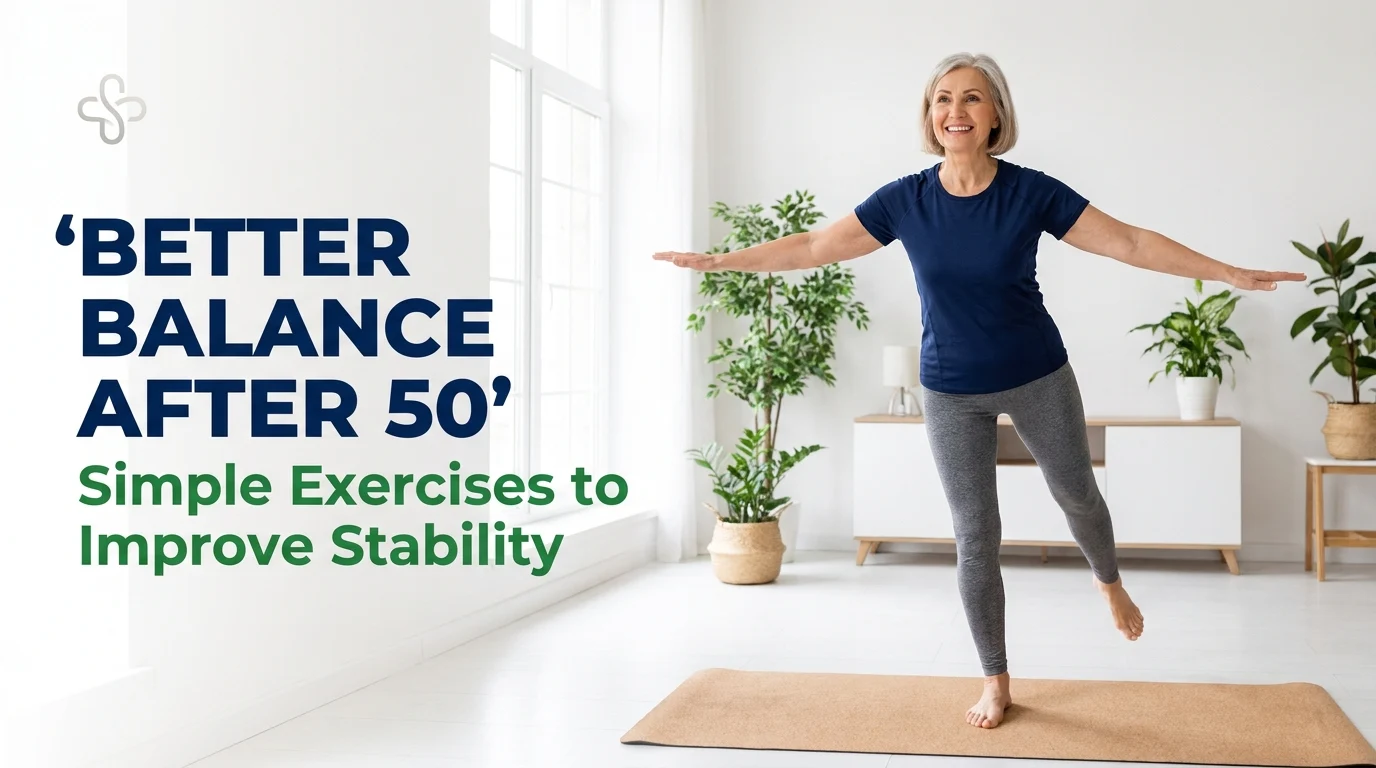
Step 4: Don’t Ignore Balance Training
Balance training can reduce fall risk and improve confidence.
Helpful resources:
- How to improve balance after 50 without gym
- Standing balance exercises using a chair
- Balance exercises for adults over 50
Step 5: Stretch Regularly
Focus on hamstring, calf, hip flexor, and chest stretches.
Step 6: Support Fitness With Better Habits
Stay Hydrated
Prioritize Sleep
Eat Enough Protein
Reduce Long Sitting
Tools That Can Help
Walking Shoes
Resistance Bands
Light Dumbbells
Fitness Apps
Common Mistakes Beginners Over 50 Should Avoid
Doing Too Much Too Soon
Comparing Yourself to Others
Skipping Warm-Ups
Ignoring Pain
Expecting Immediate Results
A Sample Beginner Weekly Routine
Monday – 20-minute walk + stretch
Tuesday – Strength training
Wednesday – Walk + balance exercises
Thursday – Mobility routine
Friday – Strength training
Saturday – Longer walk
Sunday – Recovery
Final Thoughts
Getting fit after 50 is about moving better, feeling stronger, and maintaining independence.
Start small.
Walk regularly.
Build strength gradually.
Work on mobility and balance.
Stay consistent.
More guides here: Fit After 50 Blog