
I remember the exact moment I realized I needed to take my fitness seriously again.
It wasn’t in a gym. It wasn’t during some dramatic health scare either. It was something simple I was coming up the stairs at home carrying a small grocery bag, and halfway up I had to stop just to catch my breath. Nothing “serious” on paper… but it honestly hit harder than anything else.
And that’s usually how it starts after 50. Not with a big alarm, but small everyday things that quietly start feeling heavier than they used to.
That was my turning point. What I didn’t know back then was that getting fit after 50 is not about pushing harder — it’s about doing things smarter, slower, and way more consistently than you expect. Let me walk you through what actually worked for me (and what didn’t), in a very real, no-fluff way.
If you’re just starting, this beginner fitness guide after 50 can help set a foundation.
The biggest mistake I made at the start
Like most people, I went too hard too fast. First week, I tried “old me” workouts push-ups, long walks, even jogging. I thought motivation would carry me through.
It didn’t. By day 4, my knees were sore, my lower back was stiff, and I was already thinking, “Maybe fitness just isn’t for me anymore.”
That’s the first lesson I learned:
Your body after 50 doesn’t respond to punishment — it responds to consistency.
What actually worked: starting embarrassingly small
I restarted with something so simple it almost felt pointless:
- 10-minute walks
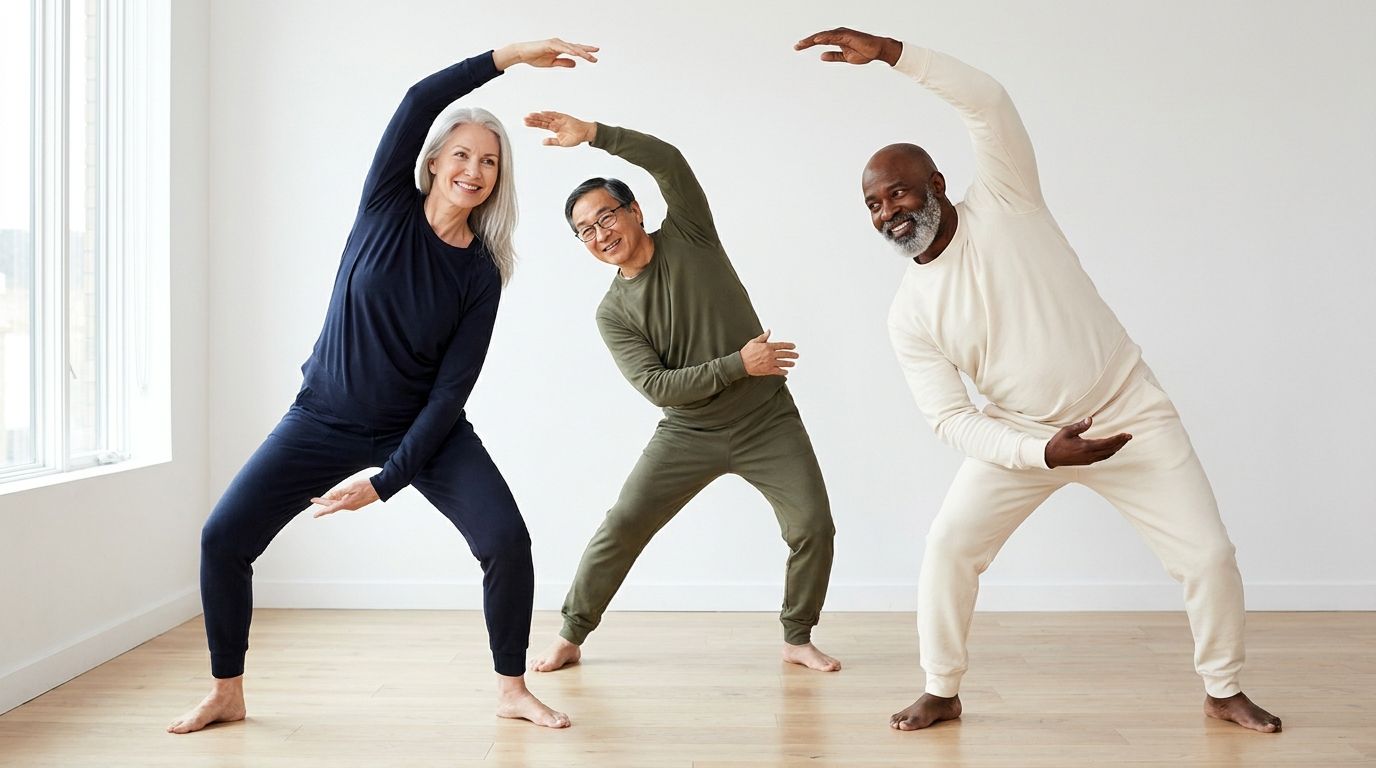
- Light stretching in the morning
- Drinking more water
- Standing up every 45–60 minutes
You can also try this structured chair exercises routine for easy daily movement.
Step-by-step: how to start getting fit after 50 (the real way)
Step 1: Start with walking (don’t overthink it)
Walking is the safest and most powerful starting point.
This walking program for beginners over 50 style approach can help you build consistency safely.
Step 2: Add basic mobility work
Every morning, I started doing:
- Shoulder rolls
- Neck stretches
- Light leg stretches
- Ankle rotations
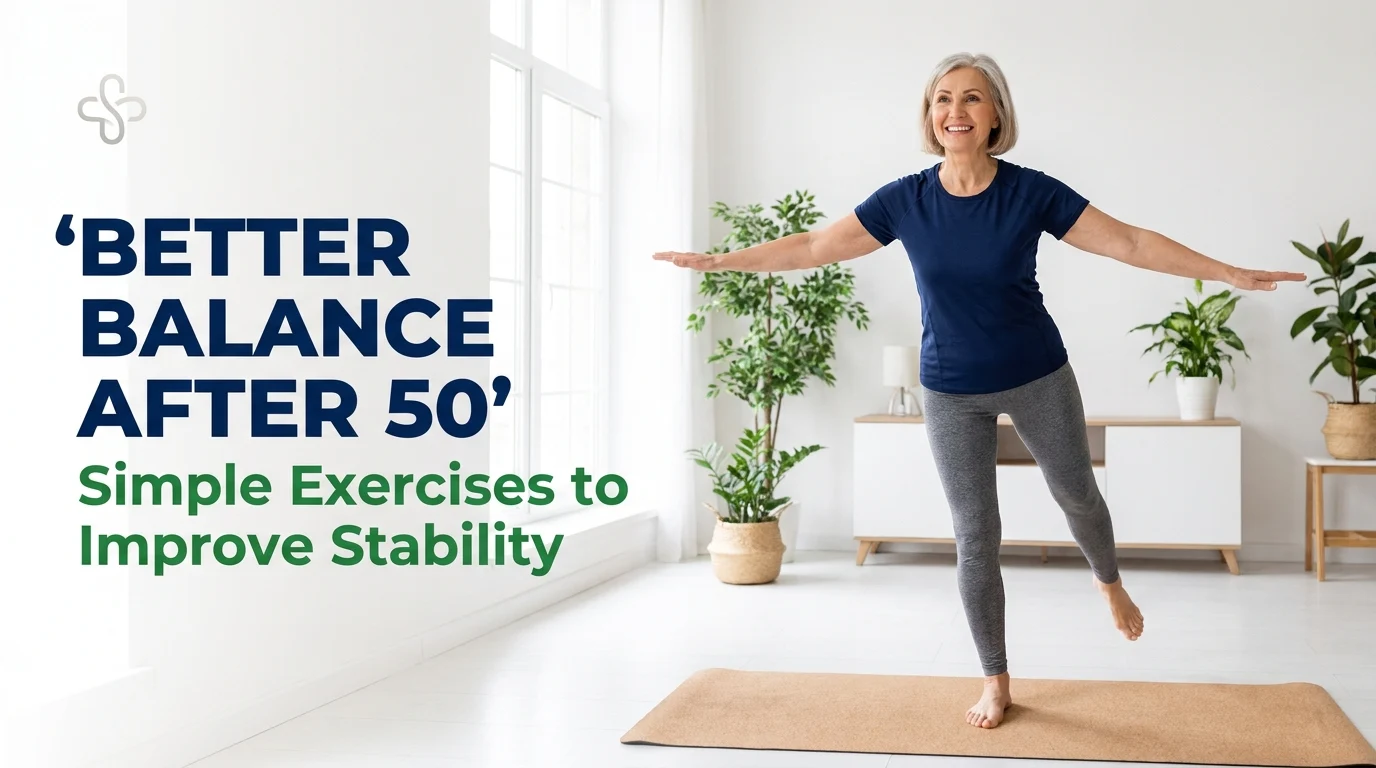
These are similar to balance and mobility exercises for adults over 50.
Step 3: Light strength training (this is important)
I started with:
- Wall push-ups
- Chair squats
- Light dumbbells (2–5 kg)
- Resistance bands
You can explore more structured options here:
senior chair exercises for home fitness
Step 4: Fix recovery (most people ignore this)
- Sleeping at consistent times
- Drinking enough water
- Not exercising when exhausted
- Taking 1–2 rest days
Real changes I noticed (after 6–8 weeks)
- Stairs became easier
- Posture improved
- Energy stayed stable
- Less heaviness after meals
- Better mood
These improvements are similar to what people experience in balance exercises after 50 programs.
Common mistakes people make after 50
- Doing too much too soon
- Copying young fitness routines
- Ignoring pain signals
- Skipping warm-ups
- Expecting fast results
Simple tools that actually help
- Step tracking apps
- Resistance bands
- Light dumbbells
- Basic stretching videos
What nobody tells you about fitness after 50
You don’t need extreme workouts you need consistency and structure like in this beginner workout approach style system.
A simple weekly routine that works
Monday: Walk + stretch
Tuesday: Strength training
Wednesday: Easy walk
Thursday: Strength + mobility
Friday: Longer walk
Saturday: Light activity
Sunday: Rest
Final thoughts (from real experience)
Getting fit after 50 doesn’t feel like a transformation at first.
It feels slow. Almost too slow.
But one day you realize something subtle — you’re moving easier, breathing better, and feeling more in control of your own body again.
If you want more structured guidance, check the full resources here:
https://fitafter50guide.com/blog/